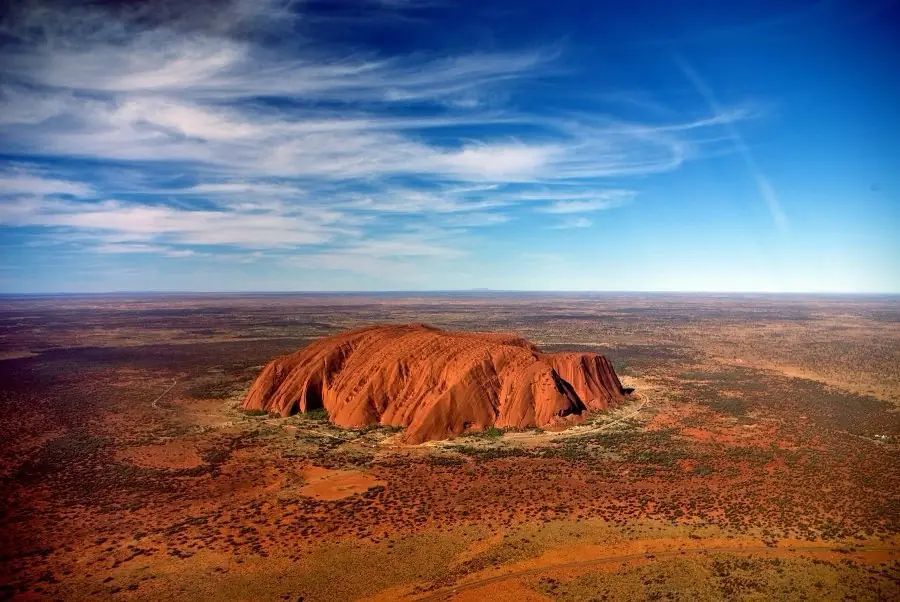
The sweet spotBoth formations
25 minUluru & Kata Tjuta 25-Minute
★ 4.8 · 603 reviews
- 25 minutes
- Mobile voucher accepted
- Instant confirmation
- Free cancellation
$226$9.04 / min
Check availability→ Which one to book
Same helipad, same aircraft, same view for the first few minutes. What changes is how much country you cover before you land — and one of the three jumps is worth far more than the other.
Quick answer
Book the 25-minute Uluru helicopter flight. It is the shortest one that reaches Kata Tjuta, it costs $9.04 a minute against $10.87 for the 15-minute flight, and at $226 it sits far closer to the short flight than to the long one. Take 15 minutes only if the rock alone is what you came for. Take 36 minutes if you are shooting at golden hour — it is the cheapest per minute of the three, and the only scheduled sunset departure.
Every operator runs the same ladder of durations. The difference is not the aircraft or the service — it is simply how much country you cover before you land. Uluru from helicopter altitude is a different object entirely to the wall you walk beside at the base, and how much of that you get comes down to this one choice.
Book the 25-minute flight. If you read one line on this page, read this one: the 25-minute Uluru helicopter experience is the one almost everybody should book. Fifteen minutes is genuinely enough to see the rock, but you are back on the helipad before your brain has caught up with your eyes. The extra ten minutes is where Kata Tjuta enters the frame, and that is what turns a joyride into a proper aerial tour of the park. For a first visit it is the flight to take — and it is priced closer to the 15-minute flight than to the 36.
The gap between fifteen and twenty-five minutes is sixty-three dollars. The gap in what you see is half the national park.
The whole decision, in one comparison| Flight | Time | Per minute | What you cover | Best for |
|---|---|---|---|---|
| Uluru 15-MinuteThe classic | 15 min | $10.87 | One full circuit of the rock, close in. Does not reach the domes. | Tight schedules, first-timers, lowest fare |
| Uluru & Kata Tjuta 25-MinuteThe popular one | 25 min | $9.04 | Uluru circuit plus a wide sweep out toward Kata Tjuta | Most travellers — the sweet spot |
| Grand View 36-MinuteGolden hour | 36 min | $8.14 | Both formations at close range, Walpa Gorge and Mount Conner in line | Photographers, anyone with one shot at this |
| Kings Canyon 15-MinuteDifferent departure point | 15 min | $9.33 | A separate scenic flight over Watarrka, flown from Kings Canyon itself | Add-on to the Kings Canyon day trip |
These flights use small aircraft seating three to six passengers, which means there is no middle seat and no bad window. The bubble canopies are the reason the photographs work.
Getting a helicopter off the ground costs the same whether it flies for fifteen minutes or thirty-six. The crew, the start-up fuel burn, the maintenance hours, the landing slot — all fixed. Spread that over more minutes and the price per minute falls, which is why the column that reorders this table is the third one, not the second.
Put plainly: the 15-minute flight is the cheapest way to get airborne and the most expensive way to stay there. The 36-minute flight has the biggest sticker and the lowest running cost. Neither of those facts alone should decide it for you — but knowing them stops you reading the price list backwards.
A helicopter flight over Uluru usually tracks north from the helipad first, so the rock builds slowly in the windscreen rather than arriving all at once. Then the pilot banks for the circuit and the geology opens up: Kantju Gorge cut into the north-west face, the pale line of the old summit path, the ring of green mulga fed by runoff that you never notice from the road.
The Uluru helicopter view that surprises people most is not the rock, though. It is the scale of the nothing around it. Dune fields running to the horizon in perfect parallel lines. Salt pans flashing white. Mount Conner’s flat-topped mesa a hundred kilometres east, mistaken for Uluru by drivers on the Lasseter Highway every single day.
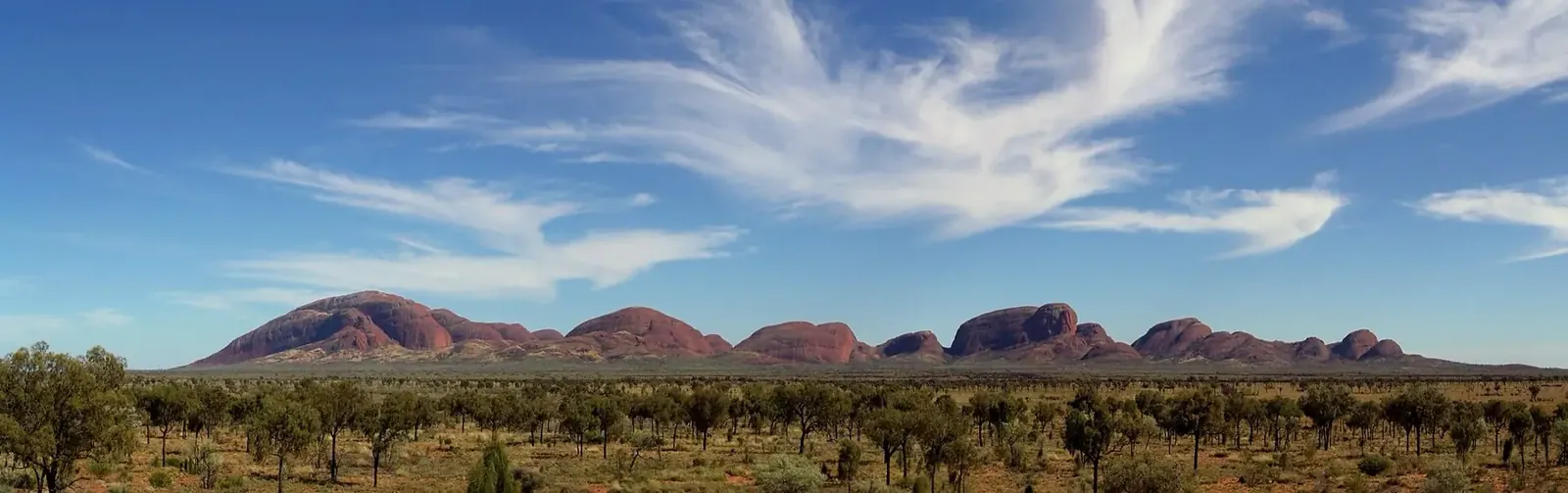
Then Kata Tjuta. On any flight of 25 minutes or more the domes come into view as a cluster of red knuckles, and from the air you can finally trace the Valley of the Winds walk as a thin thread winding between them — something completely impossible to grasp from inside the gorge.
Worth knowing: an aerial view is one of the few ways left to photograph the rock from an unusual angle. Drones are prohibited across the entire national park, so an aircraft is the only legal way to get one. Anangu traditional owners ask that certain sacred sites are not photographed, and pilots follow set routes that respect those requests while still giving you an unbroken view of the formation as a whole.
Yes, if your budget or your schedule says so. A 15-minute scenic flight still delivers the full circuit of the rock, and it is the cheapest way into the air here. It is also the most-taken flight on the helipad, with 646 reviews at 4.9 — people are not disappointed by it.
What they are is surprised. Almost everyone who books fifteen says afterwards they would have paid for twenty-five, and the reason is always the same: they assumed the domes were included. They are twenty-five kilometres west, and no 15-minute route goes near them. If seeing both formations matters to you, this flight will not do it, and finding that out in the air is the most expensive way to learn it.
Past thirty minutes the flight stops being about Uluru alone. Kata Tjuta from above is arguably the bigger revelation of the two: from the ground it reads as a jumble of domes, and from the air it is clearly one eroded mass split by deep gorges — and noticeably larger in footprint than Uluru.
Add Walpa Gorge from directly overhead, the Mount Conner alignment that gives the Grand View its name, and golden-hour light, and this is the flight photographers book. The catch is availability: 159 reviews against 646 is a measure of how few seats exist, not how much people like it. Between May and August they go two to three months ahead. The sunset flight page covers the timing in detail.
It has the lowest sticker price of the four and it never sees Uluru. It departs from Kings Canyon Resort, roughly 310 kilometres north, and belongs on a day-trip itinerary rather than this one. There is no scheduled helicopter that carries passengers from Yulara to the canyon — we cover why, and what the charter actually costs, on the Kings Canyon page.
Air time is the number on the listing. Total time out is what you need to plan around.
| Flight | In the air | Lobby to lobby | What fills the rest |
|---|---|---|---|
| 15 minutes | 15 min | About 1 h | Coach both ways, check-in, weigh-in, safety briefing |
| 25 minutes | 25 min | About 1 h 10 | Same, with ten more minutes aloft |
| 36 minutes | 36 min | About 1 h 30 | Same again, plus the photo stop on the pad |
None of the three eats a day. Even the longest is back at your hotel inside ninety minutes, which is why a morning flight and an afternoon base walk fit comfortably into one day.
Minute by minute
Timings from a 25-minute departure. The 15-minute flight turns for home at the eight-minute mark; the 36 keeps going past twenty.
The resort drops away and the plain opens up. All three flights are identical to here.
Kantju Gorge, the shaded southern face, the waterholes at the base. This is what fifteen minutes buys.
The 15-minute flight makes one more circuit and heads back. The others turn toward the domes.
Twenty-five kilometres of parallel red dunes and old burn scars between the two formations.
Thirty-six domes, and the Valley of the Winds readable as a thread between them.
Where the 25-minute flight ends its outbound leg. The 36 continues to Walpa Gorge and the Mount Conner line.
Coach waiting, hotel in ten minutes.
Live prices
Ordered as we would book them. Switch currency in the header for Australian dollars.
★ 4.8 · 603 reviews
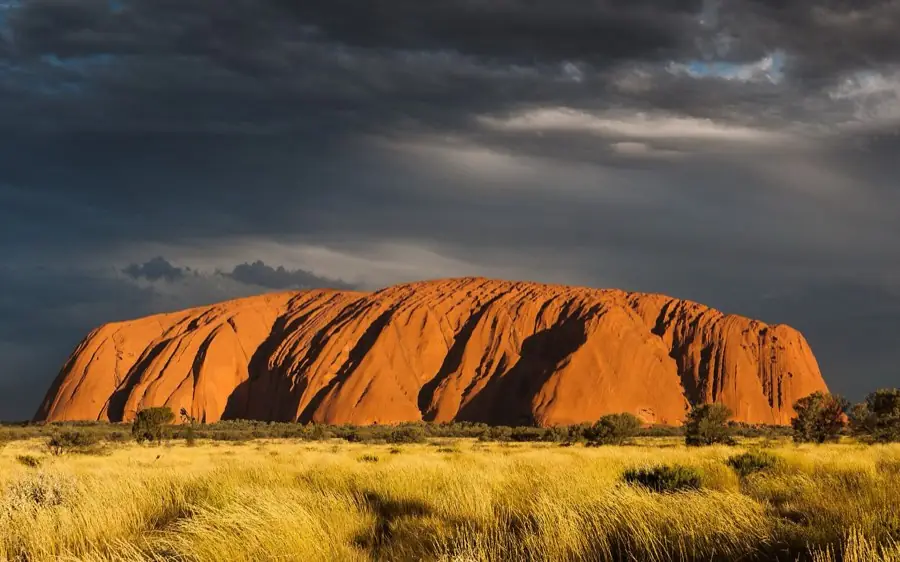
★ 4.9 · 159 reviews
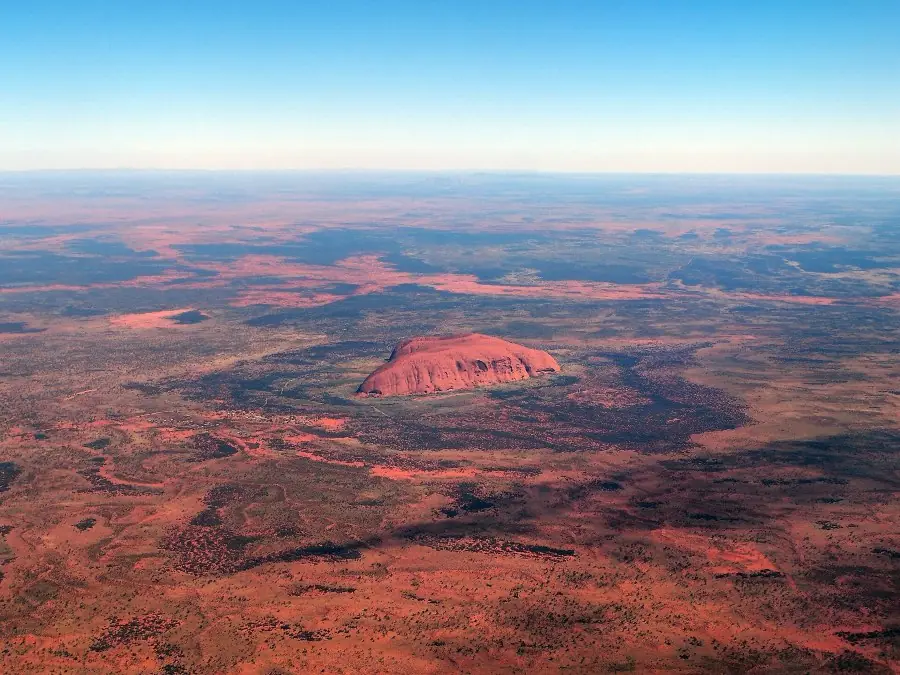
★ 4.9 · 646 reviews
Pick by situation
One afternoon and a budget. Fifteen minutes. The whole rock, the lowest fare, and back before dinner.
You want the trip to be worth talking about. Twenty-five. Both formations, best value of the two short flights.
You brought a real camera. Thirty-six, at golden hour. Nothing else on the helipad comes close.
Travelling as a family. Twenty-five. Fifteen is over before younger passengers have settled; thirty-six is a long time to sit still.
Booking inside a month in the dry season. Twenty-five, and take what is available. The sunset seats will already be gone.
Already doing the Kings Canyon day trip. Add the fifteen-minute flight there — it is a different landscape entirely.
Avoid these
It does not, and this is the single most common and most expensive mistake at the helipad. The domes are twenty-five kilometres west.
$163 for fifteen minutes is $10.87 a minute; $293 for thirty-six is $8.14. The list reorders once you do the arithmetic.
The sunset departure has the fewest seats of any flight here. If your dates are inside a month in the dry season, plan on the 25.
Weather cancels flights. Put it on a full day with room to reschedule, not the hour before your airport transfer.
It is the lowest fare of the four and it departs 310 kilometres north. It sees Watarrka, not Uluru.
Want all four ranked rather than compared, with a verdict per category?
See which flight wins→Common questions
Twenty-five minutes, for most people. It is the shortest flight that reaches Kata Tjuta, it costs $9.04 per minute against $10.87 for the 15-minute flight, and at $226 it sits much closer to the short fare than to the long one. Fifteen minutes is right only if the rock alone is what you came for.
No. It flies one full circuit of Uluru at close range and turns back. Kata Tjuta sits twenty-five kilometres west and no 15-minute route from any operator reaches it. People who assume otherwise often end up buying a second flight, which costs far more than the upgrade would have.
Per minute it is cheaper, not dearer — $8.14 against $10.87 — because the fixed cost of getting airborne is spread over more time. Whether it is worth the larger total depends on whether you are shooting. It adds Walpa Gorge, the Mount Conner alignment and golden-hour light, none of which the shorter flights give you.
About an hour lobby to lobby for the 15-minute flight, an hour and ten for the 25, and roughly ninety minutes for the 36. The rest of the time is the return coach from your hotel, check-in, the weigh-in and the safety briefing. None of the three takes a full day.
No. All three use the same small helicopters seating three to six passengers, with bubble canopy windows and headsets for live pilot commentary. There is no middle seat on any of them, and seats are assigned by weight at check-in so the aircraft balances.
Only by cancelling and rebooking, which is free up to 24 hours before departure on the listings we link to. In practice the longer flight often has no seat left by then, so it is better to decide before you book than to plan on changing your mind.
Go deeper
All four ranked, with a winner per category
MoneyEvery fare, cost per minute, and the direct rates
When to flySunrise, midday or sunset — and what changes
Golden hourSunset times, and how far ahead seats go
Every optionBoth operators, plane and helicopter, compared
Who can flyThe 125 kg rule and the adjacent-seat fare
Uluru 15-Minute Experience
★ 4.9 · 646 reviews · Free cancellation 24 h