May – Aug
The clear window
Still air, sharp horizons, 20–25 °C by day and near freezing at night. Everything is bookable and everything is busy.
When to go up
Flight length decides what you see. Time of day decides how it looks — and that is the decision that shows up in your photographs. Here is the hour, the month and the trade-off behind each.
Quick answer
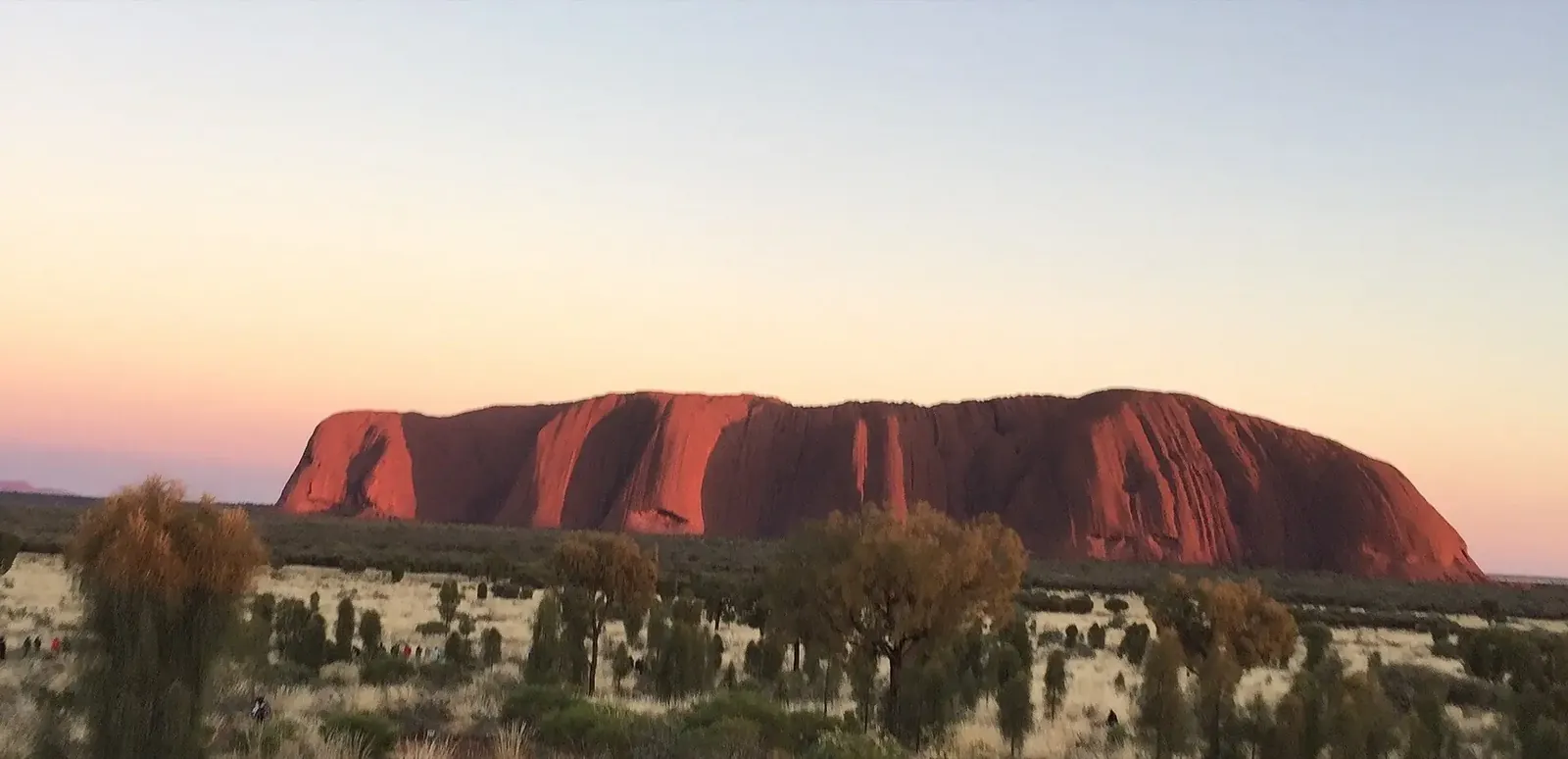
The best time to fly over Uluru is golden hour if you can get a seat, and the first departure of the morning if you cannot. Dawn air is the smoothest of the day and the horizon is at its cleanest; late-afternoon light is what makes the rock change colour beneath you. Midday is the cheapest and the flattest — and the bumpiest, as thermals build off the desert floor. Across the year, April, September and October combine comfortable temperatures with the lowest fares and open availability.
Flight length changes what you see. Time of day changes how it looks — and of the two decisions, this is the one that shows up in your photographs. Flights run from first light to last, and the same twenty-five minutes can deliver three completely different experiences.
Book the month for comfort and the hour for light. Getting those two right matters more than which flight length you choose.
The short versionDawn departures launch cold and calm. The desert has not started throwing heat yet, so the ride is at its steadiest, and the light rakes in low from the east while the rock burns orange for perhaps twenty minutes. Colour saturation is at its best, the horizon is clean, and you are back on the ground with the entire day still ahead of you.
This is also the slot to take if anyone in your party is uneasy about flying. Thermals are what make a helicopter feel busy, and at seven in the morning there are none. The air over the plain is as still as it gets in the Red Centre.
The trade: you are awake in the dark, and in winter it is genuinely cold on the helipad before you board. June and July nights at Yulara drop close to freezing, and the coach picks up well before sunrise.
Daytime is where the value sits. The light is flat and overhead, which flattens the rock’s ribs and gullies, but it also shows the surrounding dune country at its most detailed — the parallel dune lines, the salt pans flashing white, Mount Conner’s mesa out east. Thermals build off the desert floor as the day heats, so expect moderate bumps by early afternoon.
If your budget is the deciding factor, book here and spend the difference on a longer flight. Twenty-five minutes at noon shows you more country than fifteen minutes at sunset, and the country is the half of this landscape people underestimate.
A sunset flight is what people picture when they picture this at all. Long shadows, gold light, and the rock moving through its full colour range beneath you while its own shadow stretches for kilometres across the spinifex.
It is also the first thing to sell out. Only one flight — the 36-minute Grand View — is scheduled specifically for golden hour, and it carries 159 reviews against 646 for the entry-level flight. That gap is capacity, not popularity: both rate 4.9. Between May and September those seats routinely go two to three months ahead.
A very good evening, in order: take the flight in the late afternoon, land, then go straight to the sunset viewing platform with a glass of something cold. You watch the rock change colour twice, from two completely different angles, inside two hours. What you cannot do is both on the same evening — the coach has you back at your hotel around the time the sun goes down.
| Sunrise | Midday | Golden hour | |
|---|---|---|---|
| Air | Smoothest of the day | Moderate thermal bumps | Settling again |
| Light on the rock | Low and raking from the east | Flat, overhead, hard | Low from the west, full colour range |
| Best for | Nervous flyers, clean horizons | Dune country, salt pans, budget | Photographs, occasions |
| Availability | Good | Best | Book months ahead |
| Fare | Standard | Lowest | Highest sticker, lowest per minute |
One thing the table cannot show: the sun sets between 18:03 in early June and 19:41 in mid-January, so “late afternoon” means half past four in winter and half past six in summer. Departure is roughly an hour before sunset, and the coach collects you about ninety minutes before. Check the time against your date rather than assuming an evening slot.
Fares at Yulara move with the season rather than the calendar week. Here is the year, and what each stretch of it costs you in money, comfort and visibility.
| Season | Months | Daytime | What it means for flying |
|---|---|---|---|
| Cool and busy | May – Sep | 20–25 °C | Best flying conditions and the most comfortable temperatures. Nights near freezing. Golden-hour seats book out months ahead. |
| Shoulder | Apr, Oct | 25–30 °C | The sweet spot. Warm but manageable, fares at the bottom of the range, availability still open. |
| Hot and quiet | Nov – Mar | 35–40 °C | Fewest people and easiest booking. Fly at dawn or dusk; haze softens the horizon by mid-morning and summer storms cancel afternoons. |
Flights operate year-round and the cabins are air-conditioned, so summer is not a reason to skip it — just a reason to book the first departure of the morning.
Flights cancelled for weather are refunded or rescheduled. That happens often enough in the summer storm season that it is worth keeping a spare afternoon in your Yulara itinerary rather than booking the flight for the morning you leave.
Two practical consequences. First, put the flight on a full day rather than a travel day — a cancellation on the morning of your departure is a cancellation, not a reschedule. Second, save the operator’s number, +61 8 8956 2003: weather calls are made on the morning, and a phone works when email does not.
Wind is the usual cause in winter and storm cells in summer. Haze is not a cancellation but it is a disappointment — between November and March the horizon softens noticeably after about nine in the morning, which is the single best argument for the earliest slot of the day.
Season by season
The bars show conditions in the air, not price. The two rarely line up — which is exactly where the value sits.
May – Aug
Still air, sharp horizons, 20–25 °C by day and near freezing at night. Everything is bookable and everything is busy.
Sep – Oct
Good light, fewer people, wildflowers on the plain after rain. October is the cheapest month with reliable conditions.
Nov – Feb
35–40 °C. Take the first departure or none — haze softens the horizon by nine and storms cancel afternoons.
Mar – Apr
The heat breaks, the plain greens up if summer rain came, and April sits at the bottom of the fare range with none of summer’s haze.
The single best flight of the year is a golden-hour departure in September. The best value is a mid-morning flight in April or October. The one to avoid is a midday departure in January, when the horizon has already gone soft.
Live prices
The Grand View is the golden-hour flight. The other two run through the day, from 08:00 to 16:00.

★ 4.9 · 159 reviews
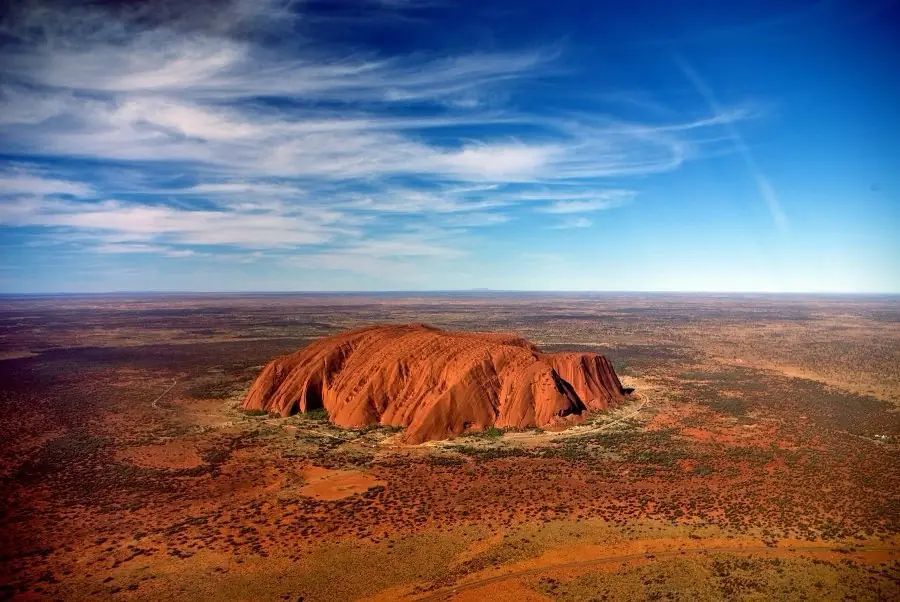
★ 4.8 · 603 reviews
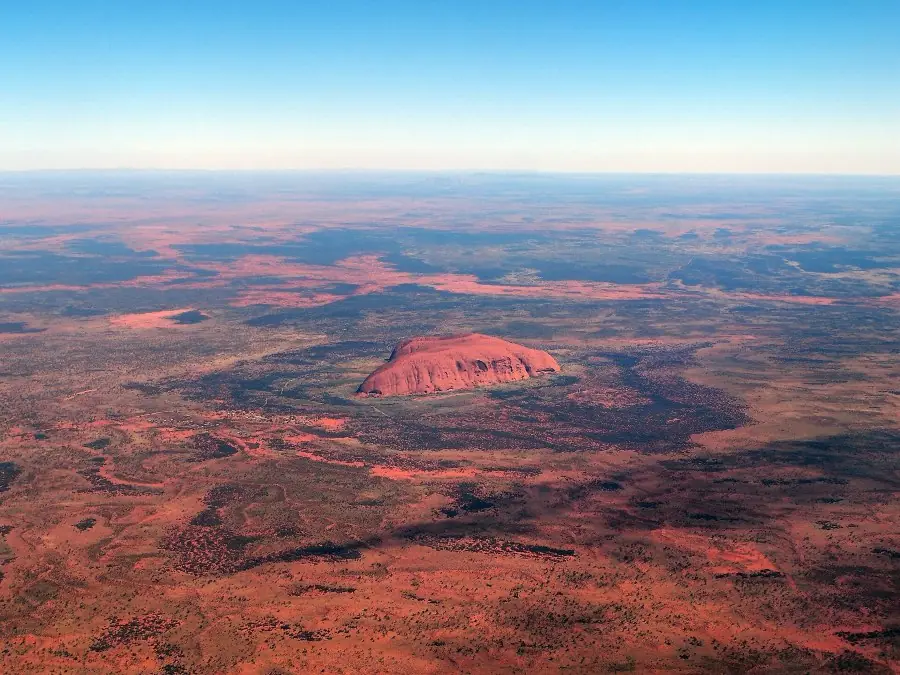
★ 4.9 · 646 reviews
Avoid these
Weather cancels flights, and a cancellation on the day you leave is a refund rather than a second chance. Put it on a full day with room to move.
They overlap. The coach has you back at your hotel around the time the sun goes down. Do them on separate nights.
Sunset moves from 18:03 in June to 19:41 in January. A winter golden-hour departure starts in the middle of the afternoon.
The cheapest possible combination, and the flattest. Haze has already softened the horizon by nine in the morning in summer.
One flight is scheduled for it and it has the fewest seats at Yulara. In the dry season they are gone months ahead.
Nights at Yulara drop near freezing in June and July, and the wait on the pad afterwards is genuinely cold. Bring more than you think.
Decided on golden hour? The sunset flight has its own page, with times and booking windows.
Uluru sunset helicopter tour→Common questions
Golden hour for photographs, and the first departure after 08:00 if you cannot get a sunset seat. Dawn air is the smoothest of the day and the horizon is at its cleanest. Midday is the cheapest and the flattest, and the bumpiest as thermals build off the desert floor.
April, September or October. All three give comfortable ground temperatures, still air and fares at the bottom of the range, with availability still open. May to August has the clearest air of the year but the highest fares and the hardest seats to get.
Yes, if you take the first departure of the morning. Cabins are air-conditioned and flights run year-round, but haze softens the horizon after about nine and storm cells cancel afternoons between November and March. Summer is also the quietest and cheapest time to book.
Between 18:03 in early June and 19:41 in mid-January, ACST. The Northern Territory does not observe daylight saving, so the clock stays constant while the sunset moves by more than an hour and a half across the year. Golden-hour departures are timed roughly an hour before sunset.
Dawn and dusk are smooth. Midday can be moderately bumpy as heat rises off the desert floor, particularly in summer. If anyone in your party is sensitive to motion, book the first or last departure of the day — that single choice does more than anything else you can control.
It is refunded or rescheduled. Cancellations are most common in the summer storm season and on windy winter days. Keep a spare afternoon in your Yulara itinerary rather than booking the flight for the morning you leave, and save the operator’s number so weather calls reach you.
Go deeper
Sunset times, and how far ahead seats go
CompareWhat each extra minute actually buys
The verdictAll four ranked, with a winner per category
MoneyEvery fare, cost per minute, and the direct rates
LogisticsAyers Rock Airport, the drive, and the shuttle
Every optionBoth operators, plane and helicopter, compared
Uluru 15-Minute Experience
★ 4.9 · 646 reviews · Free cancellation 24 h